Linen has long held a luxury whisper in the world of home textiles—a fabric that feels as timeless as a perfectly tailored suit. Yet beneath its languid drape lies a modern commitment to sustainability. When you choose linen with transparency, you’re not just selecting texture and comfort; you are endorsing a legacy of responsible farming, fair labor practices, and chemical mindfulness. This article unpacks how to navigate the certification landscape, understand provenance, and weigh care and performance to make smarter, more stylish choices for linen bedding, towels, and dining textiles.
We’ll traverse three pillars of sustainable linen: certifications that signal standards you can trust, provenance that informs environmental and social considerations, and practical tips for comparing fibers, weaving, and finishes. Along the way, we’ll spotlight a few standout pieces that illustrate how ethics and aesthetics can align in everyday luxury.
Certifications: decoding the quality signals
Certifications serve as the mile markers on the linen journey—from flax farm to finished product. The lingua franca of responsible textiles includes labels like GOTS (Global Organic Textile Standard) and OEKO-TEX, each signaling different guarantees about organic content, processing, and safety.
GOTS is the gold standard for organic textiles. It covers the entire supply chain—from organic farming of flax to environmentally and socially responsible processing. GOTS certification ensures that:
- The flax fiber is organically grown without synthetic pesticides or fertilizers.
- The textile processing adheres to strict ecological and social criteria, including restricted use of chemicals, safe wastewater management, and fair labor practices.
- The finished textile products meet high standards for toxicity and worker welfare.
OEKO-TEX focuses on product-level safety, verifying that textiles are free from harmful substances during manufacturing and finished products. It’s a helpful benchmark for consumer safety, especially relevant for bedding and towels that contact skin closely. Certifications like OEKO-TEX Standard 100 provide assurance that the fabric has been tested for harmful substances and meets strict thresholds.
Beyond these, you may encounter certifications and labels that reflect regional quality traditions, such as the Belgian Linen label or the Belgian Linen Standard, which attest to provenance and craftsmanship. While not always a substitute for global certifications, regional labels often accompany high-trade standards and strict controls in weaving and finishing facilities.
When evaluating a linen product, look for explicit certification logos on the packaging or product page, a documented chain of custody, and clear statements about dyeing and finishing processes. Transparency is the new luxury—consumers increasingly expect to know where and how textiles are produced, and reputable brands respond with accessible documentation.
Provenance: flax farming regions and the craft of weaving
Provenance matters because the journey from plant to textile shapes fiber behavior, environmental impact, and tactile character. The flax plant thrives in cool, damp climates. Historical centers of flax farming include regions in France, Belgium, and the Netherlands, where the soil, rain, and aging mills have produced long-staple fibers prized for their luster and strength. Linen woven in Belgium, France, and the Netherlands often carries a “Belgian Linen” or “Belgian Linen label” distinction that signals a heritage of precision weaving and stone-washed or garment-washed finishing techniques that soften the fabric over time.
Weaving and finishing also influence performance. A loose, breathable weave enhances temperature regulation, while stonewashing or garment washing can yield a softer hand without sacrificing durability. When provenance aligns with responsible farming and ethical labor practices, linen becomes a fabric with a story you can trust—one that you can see and feel in every thread.
To illustrate, consider linen sets that emphasize European provenance and quality controls, such as sheets and duvet covers produced with flax grown in France and woven in Portugal, or linen pieces crafted in Belgium with a Belgian Linen label. These sequences demonstrate how regional expertise—temperatures, water use, and artisanal weaving tradition—contributes to the fabric’s final poise and longevity.
Care and performance: evaluating weave, weight, and finish
Linen is naturally durable, breathable, and moisture-wicking, but its performance is shaped by weave structure, fabric weight (grams per square meter), and finishing details. When comparing linen sheets, duvet covers, and towels, consider these dimensions:
- Weave structure: A plain weave is classic and crisp, while a basket weave or linen twill can influence texture and drape. Heavier weaves often feel more substantial and durable, while lighter weaves offer a cooler hand and faster dry times.
- Weight (gsm): Linen weights vary; lighter weights feel airy and quick-drying, heavier weights feel luxurious and substantial. A balanced weight typically ranges from mid to heavier gsm for bedding to optimize both warmth and breathability.
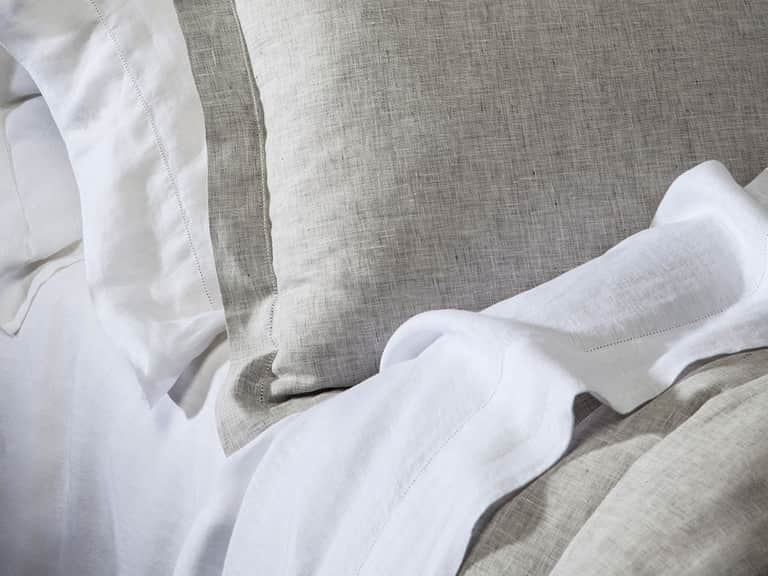
- Finishes: Stonewashing or garment washing softens linen and reduces initial stiffness, while zero-dye or low-impact dye processes reduce chemical load. Finish details like pick-stitching or hemstitching add understated elegance without compromising fabric performance.
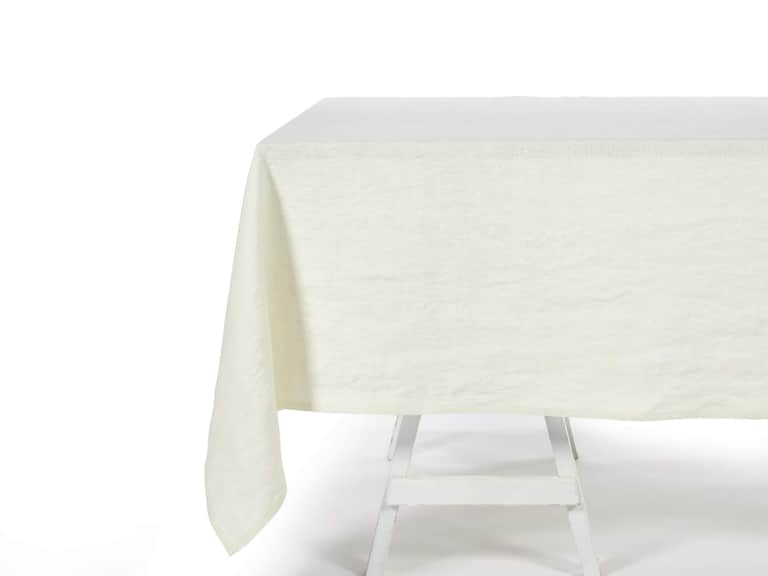
In the marketplace, you may encounter brands that emphasize sustainability through a combination of GOTS certification, Belgian Linen labels, and transparent supplier disclosures. For example, the Hudson Tablecloth from Libeco, while primarily a dining piece, demonstrates how provenance and traditional craft can elevate everyday textiles: 100% linen, stonewashed finish, Belgian Linen label, woven in Belgium from European flax. The beauty of such pieces is that they model the same care and respect you should seek in linens for the bed and bath—clarity about origin and a design that remains relevant year after year.
Care guidance can extend linen’s longevity. Typical recommendations include washing in cold to warm water, avoiding chlorine bleach, line drying when possible, and ironing while damp to preserve crisp finishes. When drying with a tumble dryer, select a low heat setting to minimize fiber stress. With diligent care, linen textiles develop a character that deepens with each wash, signaling both resilience and refinement.
Practical recommendations: selecting sustainable linen by category
To translate sustainability into everyday delight, consider the following guidelines across common linen items:
- Bedding: Look for GOTS or OEKO-TEX certifications on sheets and duvet covers, coupled with a linen blend or 100% linen composition. Proximity between flax farming regions and weaving mills often correlates with lower transport emissions and stronger supply transparency.
- Towels and bath textiles: Prioritize fibers with natural antimicrobial properties and robust looms. Linen towels with a durable terry weave and properly finished edges resist pilling and shrinkage over time.
- Table linens: Linen tablecloths and napkins with stonewashed or garment-washed finishes offer both a refined, lived-in look and practical resilience for repeated laundering.
If you’re seeking investment-in-permanence, consider a flagship piece like the Hudson Tablecloth from Libeco. It’s a splendid example of a 100% linen tablecloth with a stonewashed finish and a Belgian Linen label, woven in Belgium from European flax. It embodies the union of tradition and modern living—an aspirational touchpoint that translates beautifully into a whole linen ecosystem for the home.
As you curate your linen collection, balance aesthetics with ethical considerations. A linen item that wears well, ages gracefully, and is produced under transparent standards becomes not just a purchase but a narrative of responsible luxury that you can pass down through generations.
A quick guide for the stylish home
For those who demand both fashion-forward elegance and ethical integrity, here is a concise, actionable checklist:
- Prioritize certifications (GOTS, OEKO-TEX) on every linen product to verify processing and safety standards.
- Prioritize provenance signatures—where flax is grown, where weaving occurs, and how finishing is conducted. These details matter for texture, durability, and environmental stewardship.
- Choose a thoughtful color palette in natural hues (linen beige, soft greys, ivory) to maximize mix-and-match versatility and reduce the need for frequent replacements.
- Opt for finishes that enhance softness without compromising longevity—stonewashed or garment-washed linen typically delivers a luxurious hand over time.
- When in doubt, select brands with transparent supplier maps, detailed care instructions, and easily accessible certifications or certificates of authenticity.
As with fashion, the most enduring linens are those that feel like a sublime second skin—crafted with care, designed to endure, and styled with a sense of understated luxury that modern life demands.